Web Design & Care for Restaurants & F&B
Digital solutions for restaurants featuring QR menus and outlet finders.
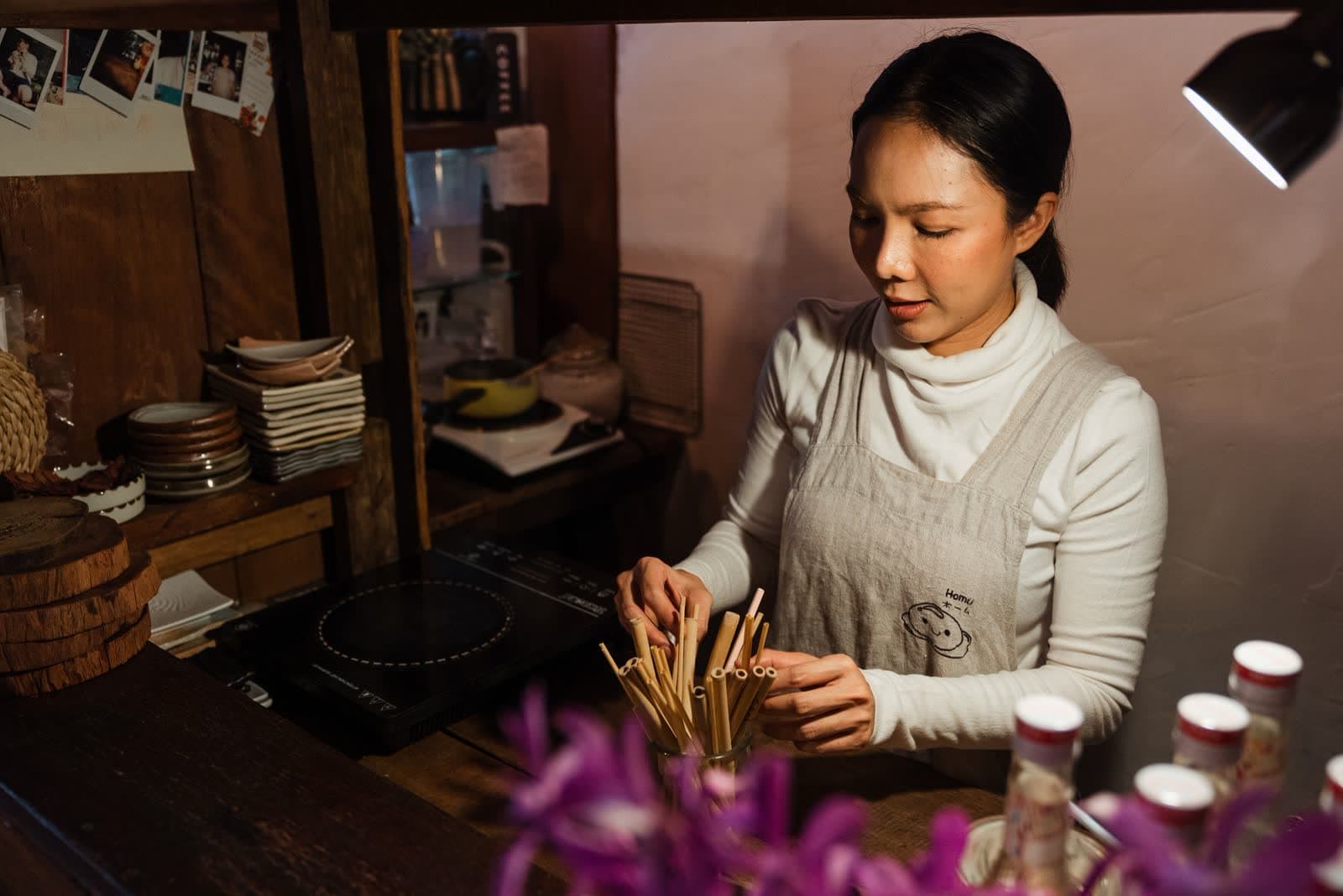
Drive foot traffic and bookings for your F&B business. We create appetizing web platforms featuring seamless digital QR menu integration, a multi-outlet location finder with Google Maps, and a comprehensive private event booking funnel.
Halal display has to be checkable, not just claimed
A halal logo on a website is only as good as what it's tied to. JAKIM certification carries a certificate number and a status that can be checked against JAKIM's own registry, and a growing number of diners actually do that before booking a table or ordering for a group. We treat the halal display as a data field — certificate reference, scope, renewal date — rather than a static badge dropped into the footer once at launch. Certification lapses and gets renewed on its own schedule, and a site still showing an expired certificate does more damage than one showing nothing at all.
The delivery platform is renting you the customer
GrabFood and foodpanda take a commission on every order and, in return, put a restaurant in front of people who are already browsing to eat — a fair trade for reach. It becomes a dependency risk when the app listing is the only place the restaurant is discoverable, because the platform then owns the customer relationship, sets the ranking rules, and can change commission terms or algorithm weighting without asking anyone. A restaurant with its own ordering path, even something as simple as a WhatsApp order line, keeps one channel that isn't rented from a third party. We build that as a supplement to the delivery apps, not a replacement — most F&B businesses still need the platforms for discovery, but shouldn't depend on them for every order.
Menu accuracy across channels is an operations problem
A restaurant's menu usually exists in at least four places at once — the physical menu, the website, the delivery platform listing, and whatever's printed on the table's QR code — and each is often updated by hand, on its own schedule. Ingredient costs move, a dish gets discontinued, a promotion ends, and if nobody's watching, the four versions drift apart. A customer who orders at a price the kitchen no longer honours has a bad experience regardless of whose update was late. We build the website menu to read from one source the other channels can pull from too, so a price change happens once instead of four times on four different days.
Google Business Profile is the actual front door
Most people looking for somewhere to eat search on Google Maps or Google Search, see a business profile with hours, photos, a rating and a menu link, and decide from there — often before they ever reach the restaurant's own homepage. If that profile shows stale hours, has no recent photos, or sits under a category that doesn't match what's actually served, the restaurant loses the decision at the exact point it's being made, and the website underneath never gets a chance to change anyone's mind. We treat the Google Business Profile as the primary discovery surface for a restaurant and the website as what it links onward to, not the other way round — that ordering is what should decide where the attention and the maintenance actually go.
Reservations: owning the contact, not renting it
An online reservation system isn't only about convenience for the diner — the other half of it is whether the restaurant ends up holding the guest's phone number and email, or whether a platform does. A booking made entirely inside a third-party reservation app or through a social media DM often leaves the restaurant with no direct contact record at all. A reservation flow built on the restaurant's own site captures that contact directly, which is what actually lets an owner send a reminder, a returning-guest offer, or a reopening notice after renovation without buying the list back from whoever was holding it. That contact record is one of the few assets a restaurant's website can build that outlasts any single booking channel.