Web Solutions for Dental Clinics
Web platforms for dental practices built with MDC advertising guidelines in mind, with online scheduling.
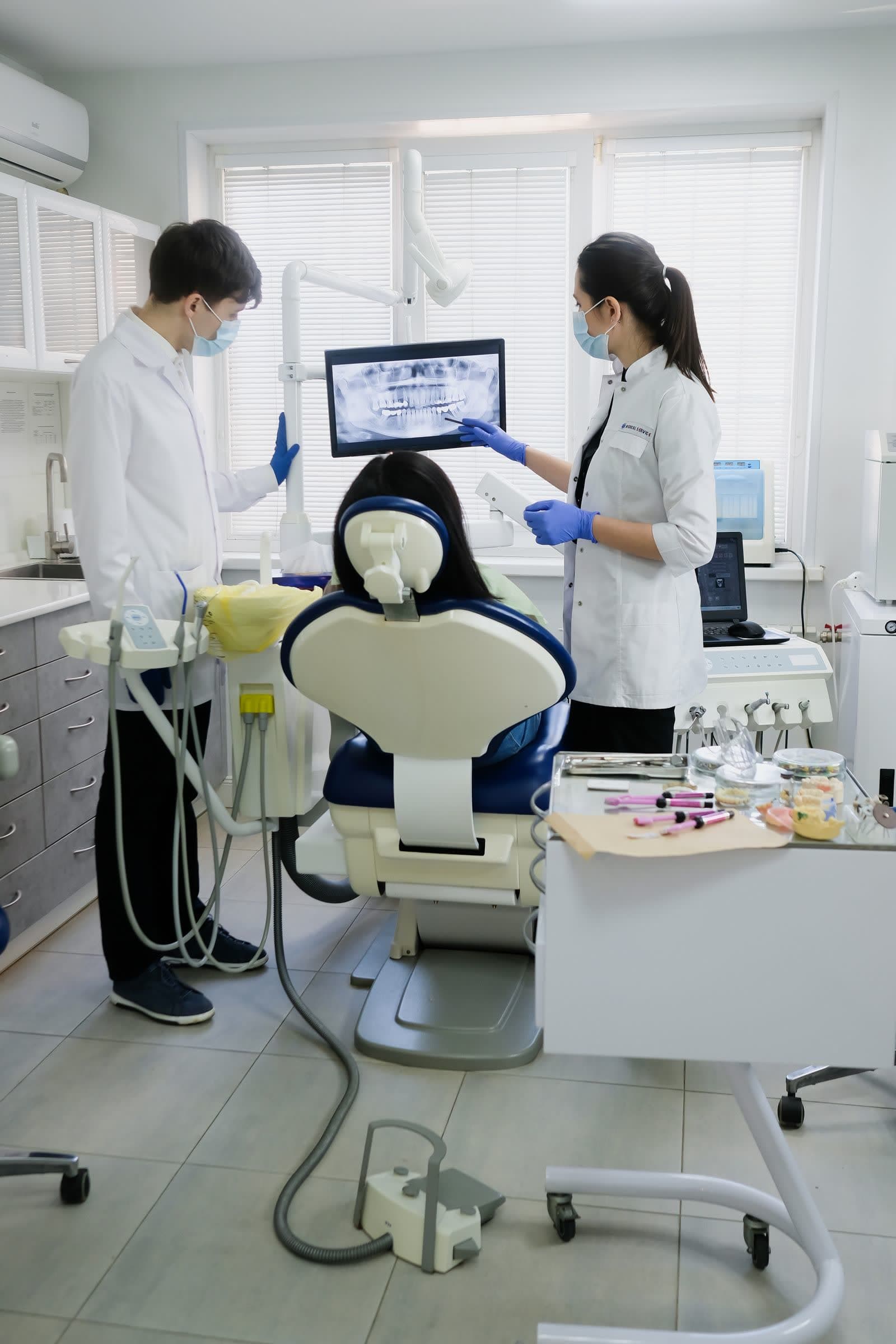
Dental practices in Malaysia market treatment outcomes under the Malaysian Dental Council's advertising guidance, take health information from people who are not yet patients, and win a large share of their new business from someone in pain searching on a phone at night. We build practice websites around those three realities: smile galleries whose captions can be corrected in minutes, appointment scheduling that understands treatment durations and surgery capacity, and an emergency path that loads fast and puts a tappable phone number above everything else. Final compliance decisions remain your practice's to make; our job is to make acting on them quick.
Before-and-after galleries are the part that gets clinics in trouble
A smile gallery is the single most persuasive thing a dental website can show and the single most likely thing to draw a complaint. The Malaysian Dental Council's advertising guidance constrains how treatment outcomes may be presented, and the practical risk is rarely the photograph itself — it is the caption underneath. “Veneers in one visit”, a price beside an image, a result shown without noting it is not typical: each turns a record of work into a claim about what a new patient will get. We build the gallery so that images, captions and consent records are separate fields rather than one baked-in graphic, which means a caption can be amended in minutes when your compliance review asks for it, without re-exporting artwork or waiting on a designer. What is and is not permissible is your practice's call to make with the Council's guidance in front of you; our job is to make sure acting on that call is a five-minute edit rather than a rebuild.
An appointment scheduler is a clinical workflow, not a contact form
Dental appointments are not interchangeable slots. A scale and polish, a root canal review and an emergency toothache all need different durations, different surgeries and sometimes a different dentist, and a booking tool that ignores that produces a diary the front desk has to unpick by phone anyway. Worse, patients who booked online and then get called back to be rearranged learn quickly to skip the website next time. A scheduler worth having encodes appointment types with real durations, blocks the surgery rather than just the practitioner, and holds back same-day emergency capacity instead of letting it fill with routine check-ups a fortnight in advance. It also needs to fail visibly: if the practice management system is unreachable, the patient should be told to phone, not shown a confirmation for a booking that was never written anywhere.
Patient data reaches you before anyone has signed anything
Medical histories, medication lists, allergy declarations, an IC number on an insurance pre-authorisation — a dental website routinely collects this from someone who is not yet a patient, which is the awkward part. The data is sensitive from the first keystroke, but the relationship that would justify holding it does not exist yet. That argues for collecting the minimum needed to offer an appointment and gathering the clinical history in the surgery, not in a web form that emails itself to a shared inbox. Where a form genuinely does need to take health information, it should write to an access-controlled store rather than an inbox, retain it on a defined schedule, and produce a log of who opened it. That is an engineering position, not a legal opinion: we can build the access controls and the retention window, and your own PDPA assessment decides what they should be set to.
Most dental searches are somebody in pain, on a phone, tonight
The commercially valuable dental query is not a comparison of clinics. It is a person with an abscess at 9pm searching for someone open, near them, who will answer. That reshapes what the site has to do: opening hours have to be correct and visible without scrolling, the phone number has to be a tap target rather than an image, the location has to resolve to something a maps app can navigate to, and the page has to load on a bad mobile connection in a car park. A beautiful practice site that buries the phone number under a hero video loses that patient to whoever put it at the top. Cosmetic work has a longer, more considered journey and deserves the gallery and the case studies — but the emergency path is the one that converts tonight, and it is usually the one nobody tested.